
Systèmes de sécurité
-
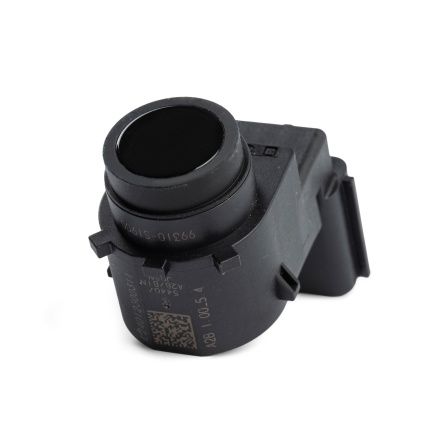
Capteur de stationnement
KIA99310-P2000-AHV36,39 € 30,32 € -
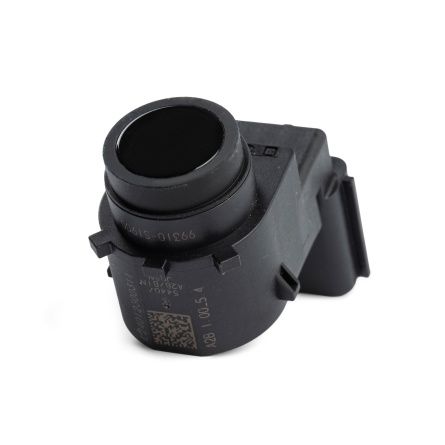
Capteur de stationnement
KIA99310-P2100-BKL36,39 € 30,32 € -
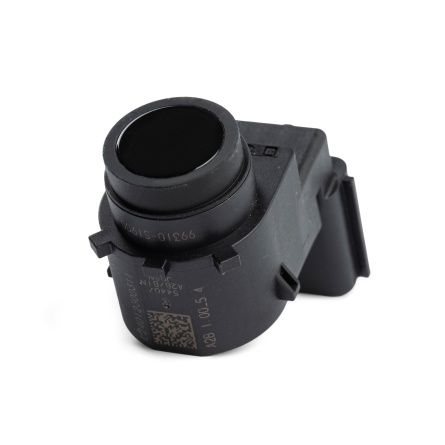
Capteur de stationnement
KIA99310-F6000-EB36,39 € 30,32 € -
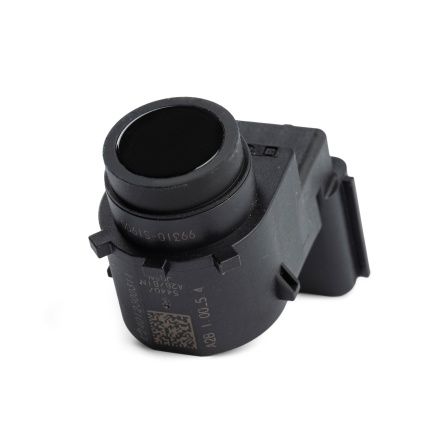
Capteur de stationnement
KIA99310-F6000-ABP36,39 € 30,32 € -
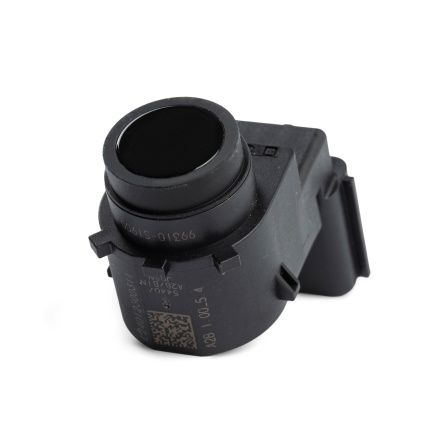
Capteur de stationnement
KIA99310-P1400-EB36,39 € 30,32 € -
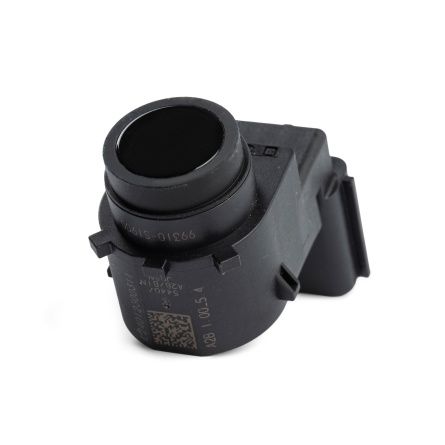
Capteur de stationnement
KIA99310-P1400-FSB36,39 € 30,32 € -
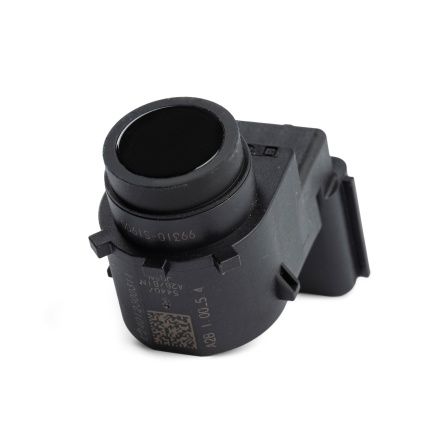
Capteur de stationnement
KIA99310-P1400-1K36,39 € 30,32 € -
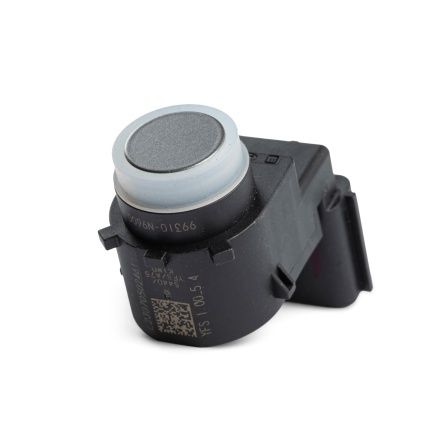
Capteur de stationnement
Hyundai99310-N9600-YFS36,39 € 30,32 € -
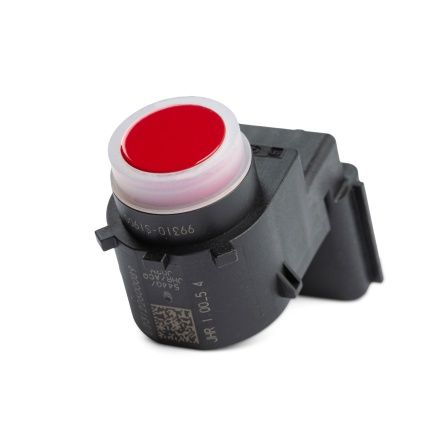
Capteur de stationnement
Hyundai99310-S1900-Y2E36,39 € 30,32 € -
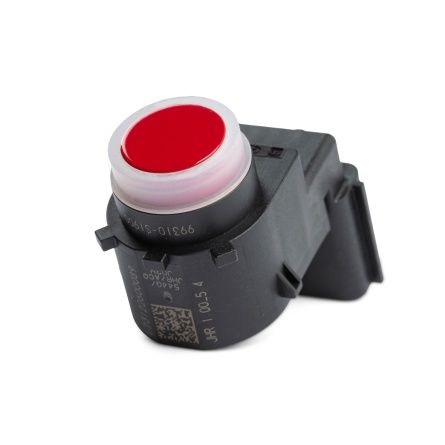
Capteur de stationnement
Hyundai99310-S1900-JHR36,39 € 30,32 € -
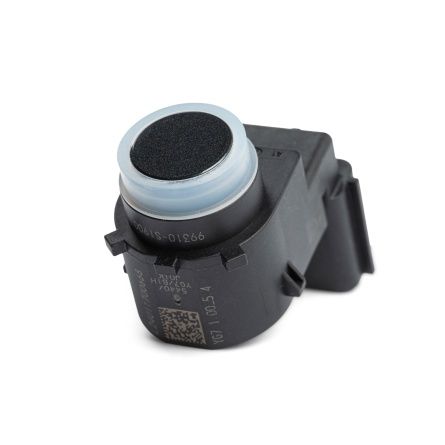
Capteur de stationnement
Hyundai99310-S1900-YG736,39 € 30,32 € -
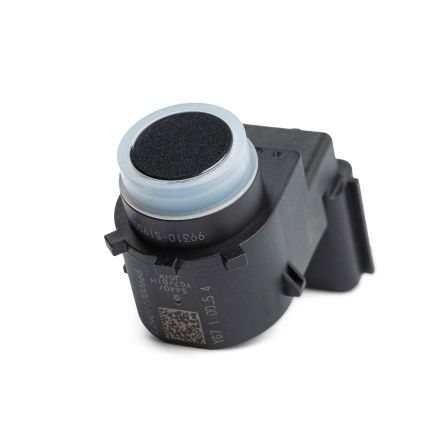
Capteur de stationnement
KIA99310-S1900-KDG36,39 € 30,32 € -
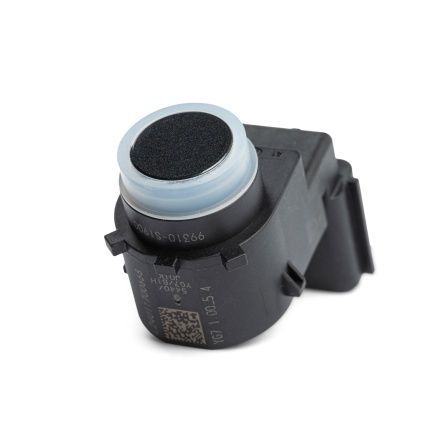
Capteur de stationnement
KIA99310-S1900-P2M36,39 € 30,32 € -
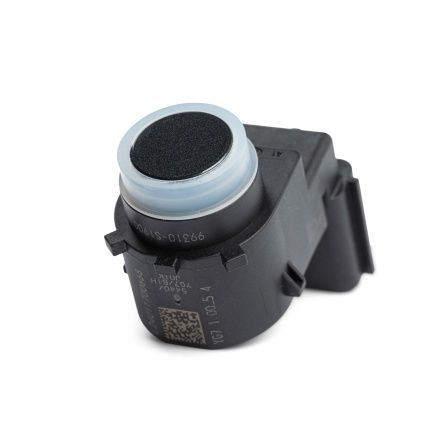
Capteur de stationnement
Hyundai99310-N9600-YG736,39 € 30,32 € -
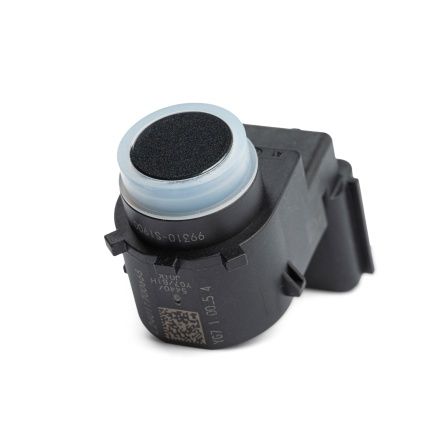
Capteur de stationnement
KIA99310-F6000-KDG36,39 € 30,32 € -
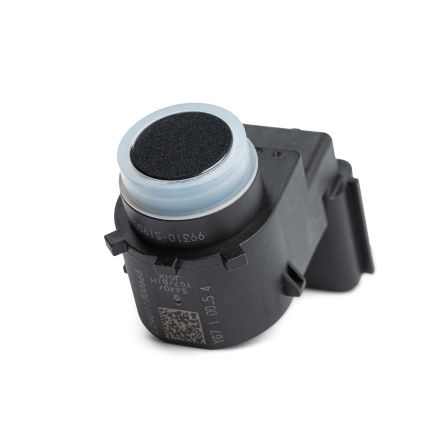
Capteur de stationnement
KIA99310-P1400-KDG36,39 € 30,32 € -
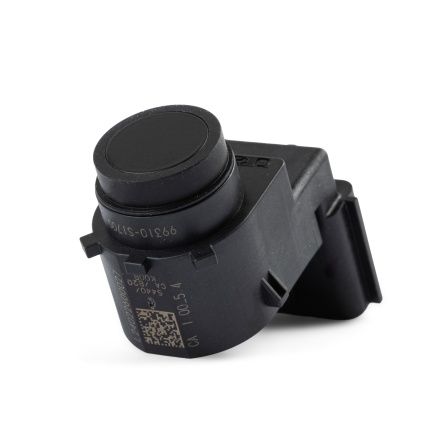
Capteur de stationnement
Hyundai99310-S1900-PAE36,39 € 30,32 € -
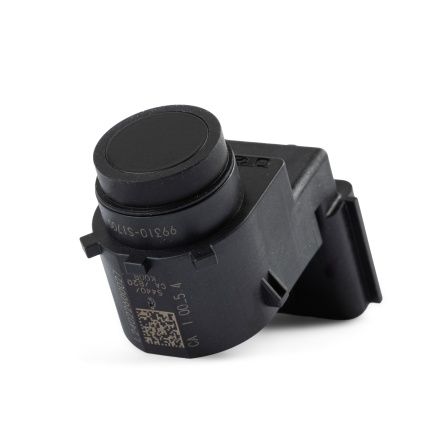
Capteur de stationnement
Hyundai99310-S1700-CA36,39 € 30,32 € -
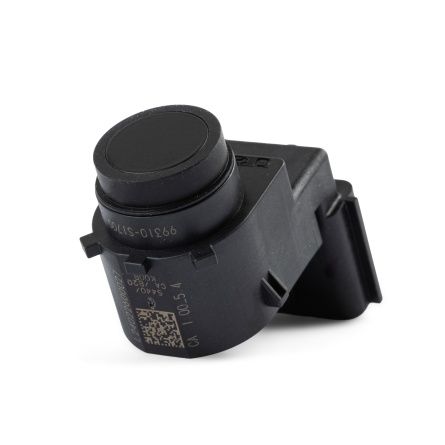
Capteur de stationnement
Hyundai99310-GI600-CA36,39 € 30,32 € -
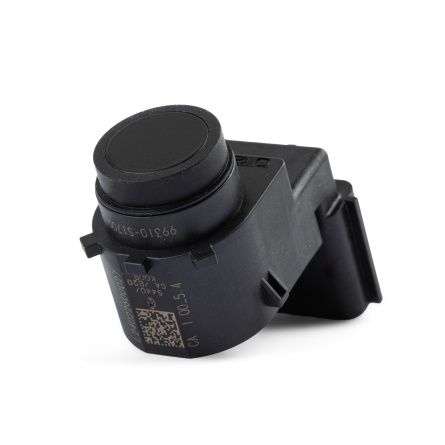
Capteur de stationnement
Hyundai99310-GI800-MZH36,39 € 30,32 € -
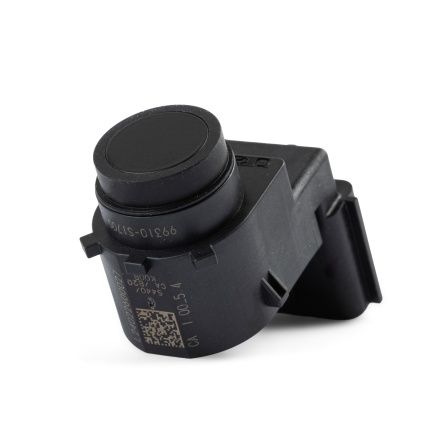
Capteur de stationnement
Hyundai99310-N9600-CA36,39 € 30,32 € -
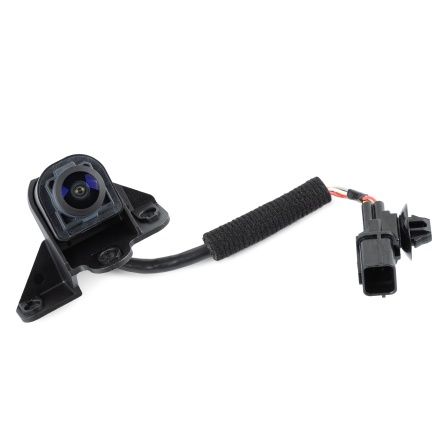
Caméra de recul
KIA99240-R221090,99 € 75,82 € -
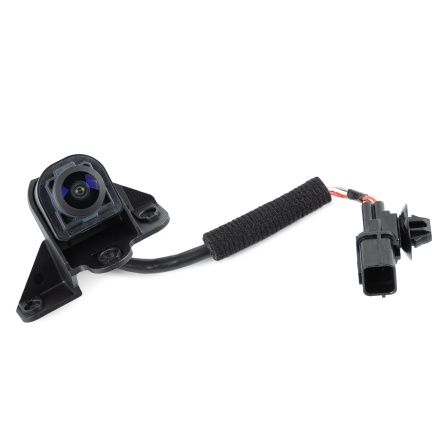
Caméra de recul
KIA99240-R220090,99 € 75,82 € -

Capteur d'airbag
Hyundai95920-AA15045,49 € 37,91 € -
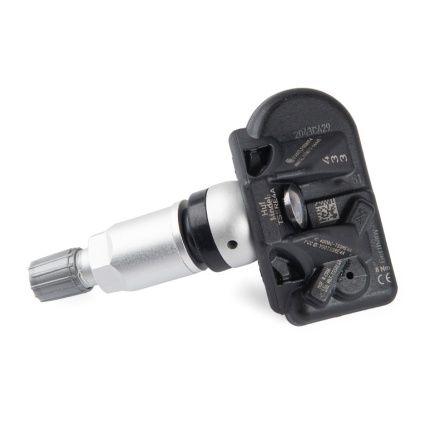
Capteur de pression des pneus TPMS
MercedesA000905882131,84 € 26,53 € -
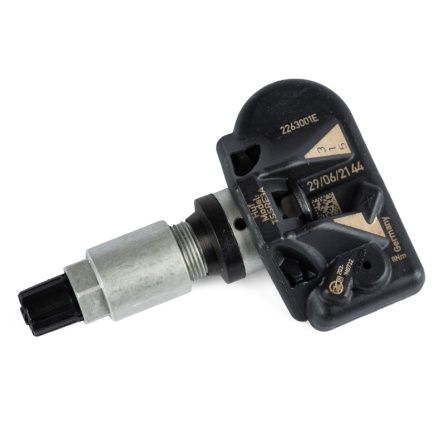
Capteur de pression des pneus TPMS
MercedesA000905892145,49 € 37,91 € -

Capteur de stationnement
Hyundai99310-L1700-SWP36,39 € 30,32 € -

Capteur de stationnement
Hyundai99310-S1800-WW836,39 € 30,32 € -

Capteur de stationnement
Hyundai99310-S1800-WC936,39 € 30,32 € -

Capteur de stationnement
Hyundai99310-S1800-WW236,39 € 30,32 € -
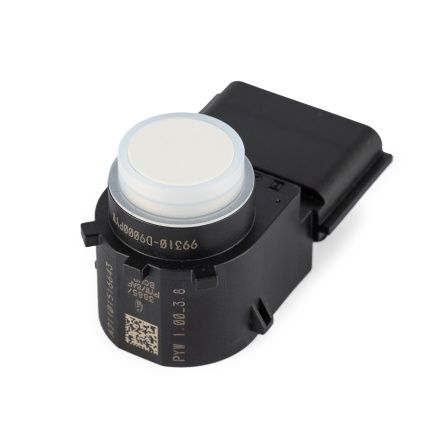
Capteur de stationnement
Hyundai99310-AA100-WW836,39 € 30,32 € -

Capteur de stationnement
Hyundai99310-M5100-TW336,39 € 30,32 € -

Capteur de stationnement
KIA99310-D9000-UD36,39 € 30,32 € -
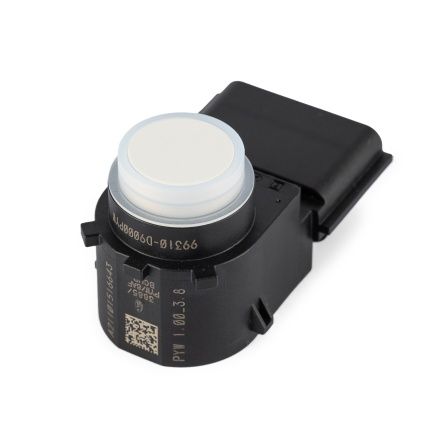
Capteur de stationnement
KIA99310-D9000-PYW36,39 € 30,32 € -
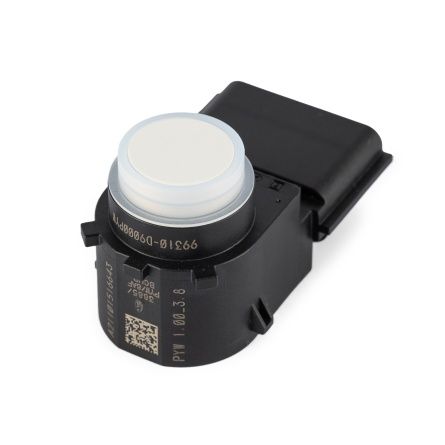
Capteur de stationnement
KIA99310-D9000-SAW36,39 € 30,32 € -
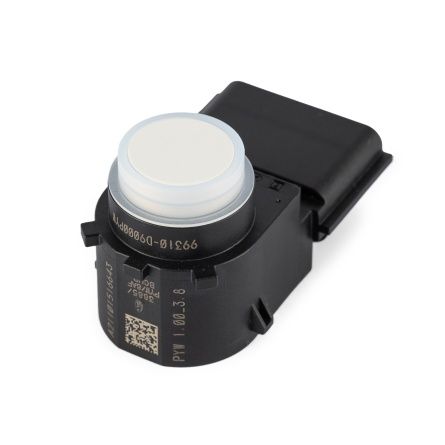
Capteur de stationnement
KIA99310-P1200-SWP36,39 € 30,32 €
Safety Systems
Road safety has always been one of the top priorities for both car manufacturers and drivers. Today’s vehicles are no longer just a means of transport – they are advanced technological machines equipped with numerous car safety systems that support the driver in every situation. Thanks to these solutions, it is possible not only to minimize the consequences of accidents but also to actively prevent them. From classic solutions such as seat belts and airbags to modern electronic systems and driver-assistance sensors, automotive safety systems continue to evolve to provide maximum passenger protection. These technologies make modern motoring a combination of travel comfort and a sense of confidence, giving drivers greater control over their vehicles and, ultimately, significantly increasing overall car safety.
Understanding Car Safety Systems
Car safety systems are a combination of mechanical, electronic, and digital solutions designed to protect both the driver and passengers during every stage of a journey. Their role extends far beyond reducing the consequences of collisions – they also actively support the driver in avoiding dangerous situations. Modern vehicles are equipped with advanced technologies that continuously monitor road conditions, vehicle dynamics, and driver behavior, allowing for immediate intervention when necessary.
At their core, these systems can be divided into two main categories: passive safety systems and active safety systems. Passive systems, such as airbags, seat belts, crumple zones, and reinforced body structures, are designed to minimize injury in the event of an accident. Active systems, on the other hand, like anti-lock braking systems (ABS), electronic stability control (ESC), traction control, and various driver assistance technologies, work to prevent accidents before they happen.
The importance of these technologies in modern vehicles cannot be overstated. They not only provide a greater sense of security but also contribute directly to reducing accident rates and saving lives on the road. For passengers, this means safer travel, while for drivers, it translates into more confidence, better control, and an improved ability to respond to unforeseen dangers, regardless of road conditions.
Key Car Safety Features
Modern vehicles are equipped with a wide range of car safety features designed to protect occupants and reduce the risk of accidents. Among the most essential features are airbags, the Anti-lock Braking System (ABS), and Electronic Stability Control (ESC), each playing a crucial role in overall vehicle safety.
Airbags are one of the most recognizable car safety features and have become standard equipment in nearly every vehicle. They deploy within milliseconds during a collision, creating a protective cushion that reduces the impact force on passengers. When combined with seat belts, airbags significantly lower the risk of severe injuries, making them a cornerstone of passive protection.
The Anti-lock Braking System (ABS) is an active safety feature that prevents the wheels from locking up during sudden or hard braking. By maintaining traction between the tires and the road, ABS allows the driver to retain steering control, even in emergency situations. This function is especially valuable on wet or icy surfaces, where uncontrolled skidding could otherwise lead to loss of control.
Electronic Stability Control (ESC) takes safety one step further by actively monitoring vehicle stability. If the system detects that the car is beginning to lose traction or veer off course, it automatically applies selective braking to individual wheels and adjusts engine power. This helps the driver regain control quickly, preventing rollovers, slides, and critical instability.
Together, these systems form a comprehensive safety net that enhances both passive and active protection. They not only reduce the severity of collisions but also help drivers avoid dangerous scenarios altogether, ensuring safer journeys and raising the standard of car safety for everyone on the road.
Innovations in Car Safety Technology
The latest advances in car safety technology have transformed the way vehicles protect their occupants and interact with their surroundings. Modern systems are no longer limited to minimizing the impact of collisions but actively work to prevent accidents altogether. Two of the most important innovations in this field are autonomous emergency braking and lane keeping assist, both of which represent a major step toward safer, more intelligent driving.
Autonomous Emergency Braking (AEB) uses sensors such as radar, LiDAR, and cameras to constantly scan the road ahead. When the system detects an imminent collision and the driver fails to react in time, it automatically applies the brakes or significantly increases braking force. By doing so, it can either prevent a crash entirely or reduce its severity. AEB has proven particularly effective in avoiding rear-end collisions and has been recognized by regulators around the world as a crucial technology.
Lane Keeping Assist (LKA) and more advanced Lane Centering systems represent another breakthrough. These technologies rely on forward-facing cameras to detect road markings and help the vehicle remain in its lane. When the car begins to drift unintentionally, the system issues a warning or gently corrects steering. Lane Centering provides continuous guidance, improving stability during highway driving and reducing accidents caused by fatigue or distraction.
Beyond these, other innovations are reshaping safety. Brake Assist detects panic braking and maximizes stopping force. Adaptive Cruise Control automatically adjusts speed and distance, while sensor-fusion systems combine data from cameras, radar, and LiDAR to create reliable driver assistance networks. All of these technologies work together to prevent accidents and enhance driver confidence.
Choosing the Right Safety Features for Your Vehicle
Selecting the right technologies when purchasing a vehicle is one of the most important decisions a driver can make. Urban drivers may prioritize AEB, pedestrian detection, and parking aids. Highway users benefit most from adaptive cruise control, lane keeping systems, and blind spot monitoring. Families should focus on airbags, child seat provisions, and tire pressure monitoring, while drivers in harsh climates require stability and traction control for added protection.
Ultimately, choosing the right safety features is about balancing everyday practicality with long-term protection. While luxury options may appeal, robust safety solutions provide lasting value, peace of mind, and stronger protection for everyone sharing the road.